Big Dog Cancer strikes without warning.
Hemangiosarcoma (HSA) is an aggressive cancer that mostly affects large breeds like German Shepherds and Golden Retrievers. Caught early, it can be treated, and many dogs go on to live healthy lives for months and sometimes years.
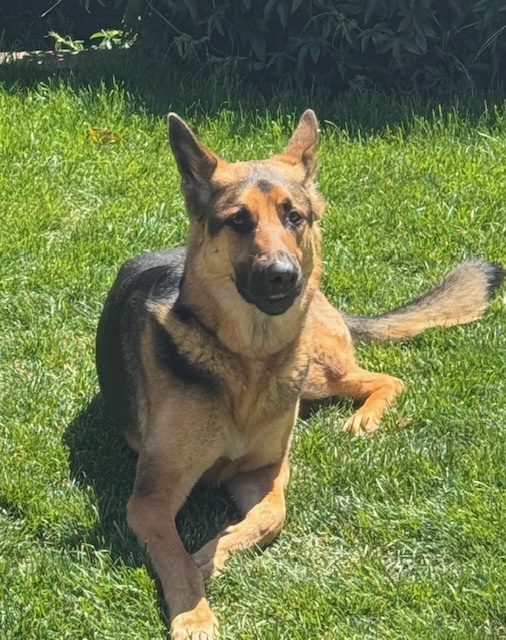
Around 300,000 dogs die from hemangiosarcoma in the United States every year.
What is Big Dog Cancer?
“Big Dog Cancer” is a term for a form of canine cancer called hemangiosarcoma (HSA), which mostly affects large breeds. It is a very aggressive, fatal cancer that usually starts in the spleen, but can also appear in the heart and other organs.
Hemangiosarcoma is known as a “silent killer” because dogs often show no symptoms until the disease has progressed and the tumor has grown so large that it ruptures and spreads. By then, sadly, it is too late to save the dog’s life.
The good news: if HSA is discovered early enough, the cancerous spleen can be removed, and the dog can go on to live a healthy life for months and sometimes years.

Which breeds are most at risk?
The breeds most susceptible to visceral hemangiosarcoma (the kind that affects internal organs) are German Shepherds, Golden Retrievers, Labrador Retrievers, Boxers and other large breeds.
A less common, less lethal form of HSA called dermal affects the skin of thin-skinned dogs like pit bulls, whippets, greyhounds and Dalmatians. Non-visceral HSA affects the muscles, and also has a far better prognosis than the visceral form.
-
1 in 4 German Shepherds are estimated to get and die from HSA
-
1 in 5 Golden Retrievers are estimated to get and die from HSA
What are the symptoms?
One of the hardest things about HSA for dog owners is that the affected dog often shows no symptoms at all. When there are signs, the main ones are:
- Loss of appetiteSkipping meals or losing interest in food
- Pale gumsGums that look whitish or pale pink instead of a healthy pink
- Sudden lethargyUnusual tiredness or weakness that comes on quickly
- Abdominal distensionA swollen or bloated-looking belly
- Exercise intoleranceTiring quickly on walks or during play
- CollapseSometimes, with no warning beforehand
Sometimes the first symptom an owner notices is when their dog collapses, which is usually when it’s too late to treat.
There are other symptoms too. See the Resources page for more information.
How can you protect your dog?
The best way to treat HSA is to diagnose it early.
Dog’s age in years
HSA usually starts in the spleen. If it is diagnosed at this stage, it can be treated by surgically removing the spleen. Many dogs live healthy lives for months and sometimes years without a spleen, particularly if they undergo chemotherapy, and also with turkey tail mushrooms (opens in a new tab).
However, it can be very difficult to diagnose HSA before the cancer spreads to the liver, lungs or other vital organs, at which point it is too late to treat.
Because HSA can affect dogs as young as 5 to 8 years old, it is recommended that diagnostic tools be used starting around 4 or 5 years old, to discover HSA as early as possible.
Ways to diagnose HSA
- Annual vet exams
- Early blood analysis
- Abdominal ultrasound
- X-rays
- CT scan
- Biopsy
There are no easy lab tests that can diagnose hemangiosarcoma. X-rays and ultrasounds will show the size and location of a mass, but won’t tell you for certain whether your dog has cancer.
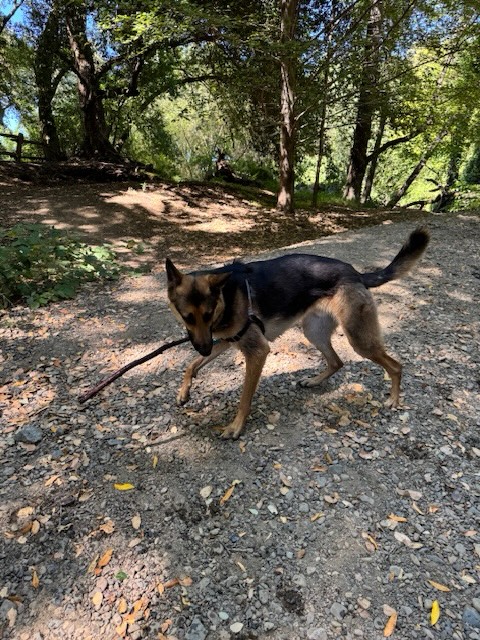
Prognosis for your dog
The prognosis for dogs who get HSA isn’t good. Studies show fewer than 10% of dogs are alive one year after diagnosis. Commonly, dogs with HSA survive only a few weeks to a few months.
Opinions vary, though. Some treatments, such as spleen removal and chemotherapy, can add several months or more to a dog’s life. See the Resources page for more on treatment options and prognosis.
Is your big dog 4 or older?
Ask your vet about screening for hemangiosarcoma at your next visit. Finding it early is the best chance your dog has.